





Could more vacant buildings become homes

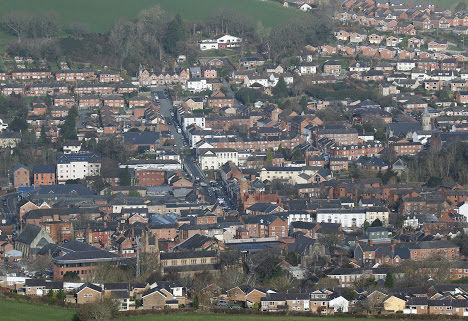
Vacant and underused buildings in Newtown, Welshpool and other towns across Powys could play an important role in addressing housing needs and supporting town centre regeneration, according to a local architect.
The call follows the publication of a report by the Bevan Foundation and Shelter Cymru, which found that more than 22,500 homes across Wales have been vacant for at least six months. The report estimates that between 3,600 and 4,500 of those properties could potentially be brought back into use as social housing.
The research also highlights opportunities to repurpose underused commercial and community buildings, arguing that existing properties could play a greater role in meeting housing demand and helping to revitalise towns and communities.
Doug Hughes, Managing Director and Principal Architect at Hughes Architects, which has offices in Mid Wales and Shrewsbury, said the findings have clear relevance for communities across Powys.
“Across Mid Wales and Shropshire there are vacant buildings sitting at the heart of our towns and communities. Former shops, offices, public buildings and redundant properties often represent missed opportunities.
“While new development will always be important, we should also be looking carefully at the buildings we already have and asking how they can be adapted to meet today’s needs.”
The issue is particularly relevant in market towns such as Newtown and Welshpool, where vacant commercial properties and upper floors above shops have long been identified as a challenge for town centre regeneration.
Richard Lewis, Director at Hughes Architects, said bringing empty buildings back into use could deliver a range of benefits beyond housing.
“When buildings remain empty for long periods they can quickly become a burden for owners and can contribute to the decline of surrounding areas. Bringing them back into use can help support local businesses, attract investment, improve the appearance of town centres and strengthen communities.
“Many older buildings occupy excellent locations within established communities and are already connected to local infrastructure, services and transport networks.”
The comments come as local authorities and governments continue to explore ways of increasing housing supply while making better use of existing assets.
Mr Hughes said conversion and refurbishment projects can also help property owners unlock value from buildings that may no longer be suitable for their original use.
“As architects, we regularly work with owners who have buildings that have become difficult to maintain or no longer meet modern requirements.
“With the right vision and professional advice, many of these properties can be transformed into viable residential, commercial or mixed use developments that create long term value while preserving the character of the building.”
Mr Lewis said the debate should be about more than simply creating additional homes.
“The conversation should not just be about housing. It’s about regeneration. It’s about keeping buildings alive and ensuring they continue to contribute to the communities around them.
“Whether it’s a former commercial building, a redundant public building or an underused property in a town centre, there are often opportunities that are overlooked.”
The report also highlights environmental benefits, noting that reusing existing buildings reduces the need for demolition and new construction while making use of materials and resources already invested in a property.
Hughes said greater collaboration between local authorities, property owners, developers and communities would be needed to unlock the potential of vacant buildings across the region.
While planning, funding and regulatory challenges remain, he said there is growing recognition that bringing existing buildings back into use should form a key part of future regeneration strategies in both Wales and England.




|

|

|
|
|

|

|
|
|

|

|

|